
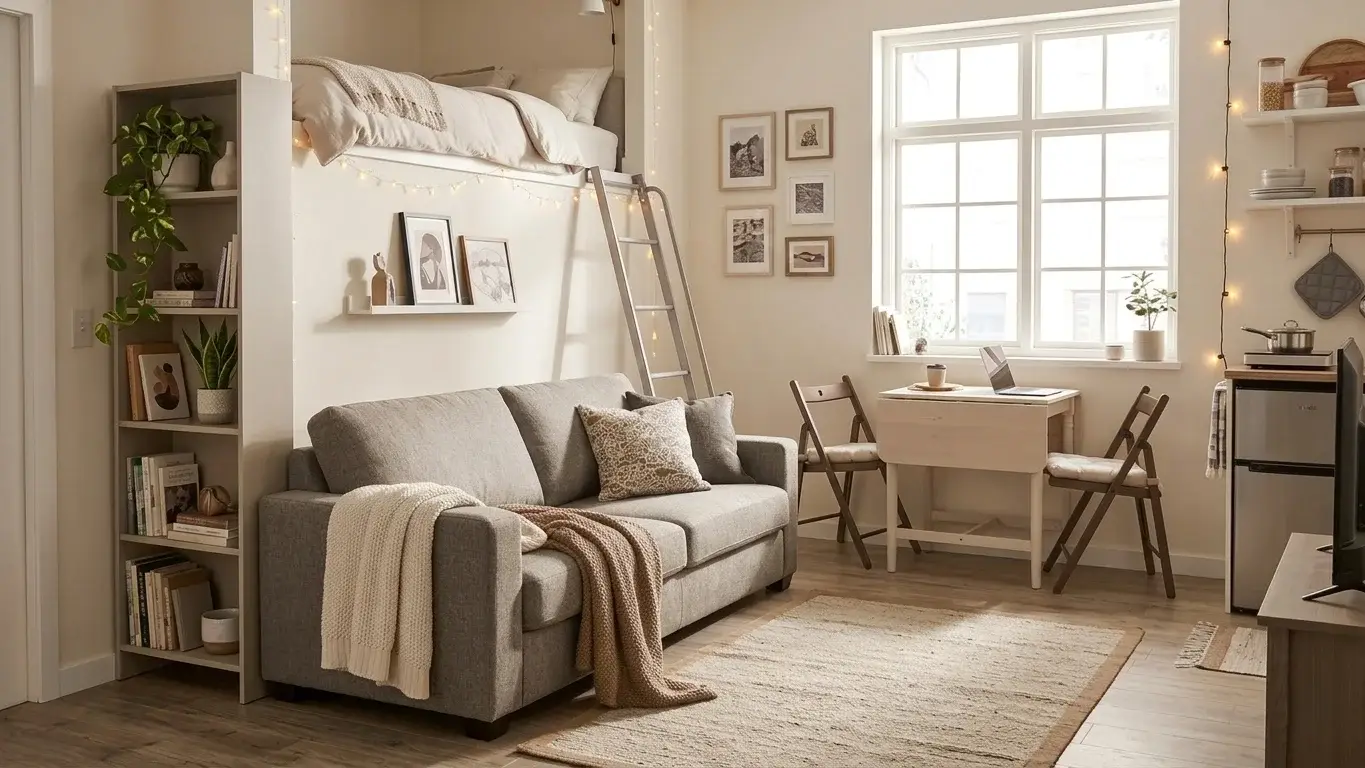
A sofa bed sounds like the perfect solution, right? One piece of furniture. Two functions. A couch and bed in the same space.
But once you actually live with one, you start to notice things that don’t show up in product descriptions.
If you’re considering a sofa bed, sleeper sofa, or even a pull out couch, this guide will walk through the real advantages and disadvantages, clearly and honestly.
No hype.
Just what you should know before buying.
Why Sofa Beds Are So Popular
Modern homes are smaller. Guest rooms are rare. Apartments need flexibility.
That’s where a sofa bed couch makes sense.
Instead of choosing between sofas and beds, you combine them.
It works especially well in:
- Studio apartments
- Guest rooms
- Home offices
- Small family homes
But popularity doesn’t automatically mean perfect.
Let’s break it down properly.
The Pros of a Sofa Bed
1. Space Saving
The biggest advantage is obvious.
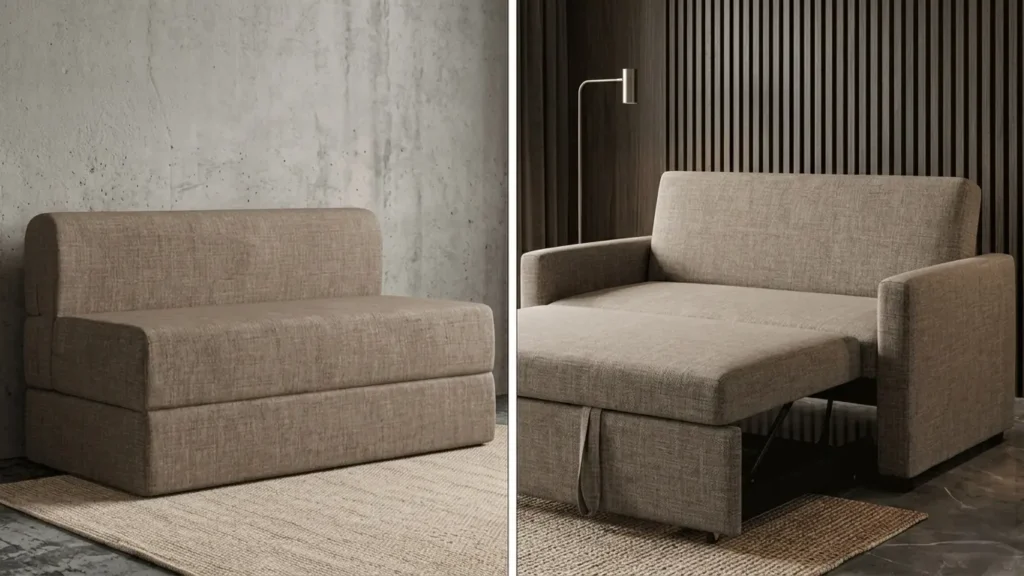
A couch bed gives you seating during the day and sleeping space at night. If you don’t have room for a dedicated guest bed, this solves the problem immediately.
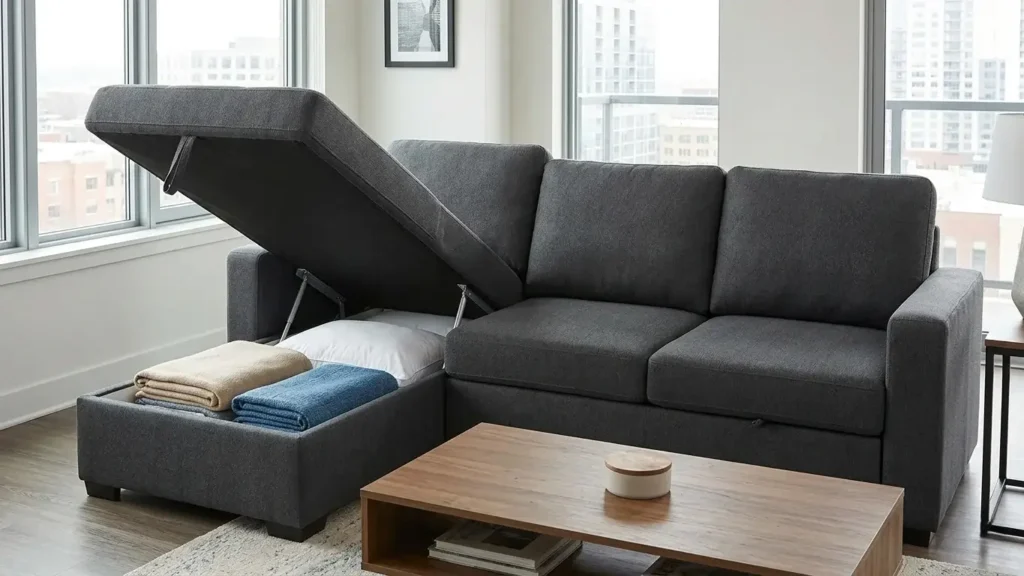
A sectional sleeper sofa or corner sofa bed can maximize unused space in larger rooms.
For small apartments, this flexibility is hard to beat.
2. Convenient for Guests
If you host friends or family occasionally, a pull out sofa bed or sleeper sofa queen offers a much more comfortable experience than an air mattress.
Modern designs have improved a lot compared to older metal-bar versions.
When paired with good sofa bedding, the sleeping experience can be surprisingly decent.

3. Multi-Functional Design
A bed with couch functionality makes sense in multipurpose rooms.
For example:
- Home office by day, guest room by night
- Living room that doubles as sleeping space
- Rental units that need flexibility
A sofa bed sofa is essentially practical furniture.
4. Style Options Have Improved
Years ago, sofa beds looked bulky.
Now you’ll find:
- Minimal modern designs
- Sectional sleeper sofa layouts
- Compact futon couch styles
- Fabric, leather, and performance materials
- Built-in storage compartments
You don’t have to sacrifice appearance anymore.
The Cons of a Sofa Bed
Now the part people don’t talk about enough.
1. Not Always as Comfortable as a Real Bed
Even a good sleeper sofa is still a compromise.
Thin mattresses, folding mechanisms, or cushion seams can affect sleep quality.
If someone plans to use it every night, mattress thickness and support matter far more than how cleverly the couch folds out.
For more on everyday use: Are Sofa Beds Comfortable for Everyday Sleeping?
2. Heavy and Hard to Move
A sectional sleeper sofa or pull out couch is significantly heavier than a regular couch.
The internal metal frame adds weight.
If you move homes frequently, this becomes noticeable, and let me tell you, it’s not exactly fun.
3. Mechanical Wear Over Time
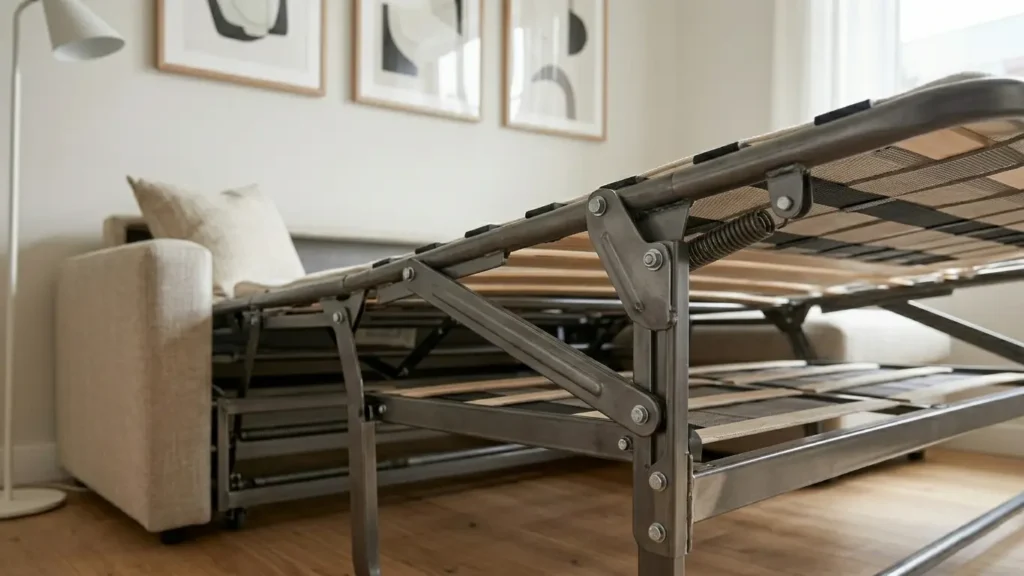
More moving parts means more potential wear.
Hinges, folding systems, and sliding components can loosen.
A futon bed or futon couch is mechanically simpler, which often makes it more durable long term.
If you’re comparing those options specifically, see: Sofa Bed vs Futon: Which Is Better for Small Spaces?
4. Higher Cost Than Regular Sofas
A sofa bed couch typically costs more than a standard sofa because you’re paying for:
- The frame
- The mattress
- The mechanism
A sleeper sofa queen or large corner sofa bed can be a significant investment.
A Quick Summary
Sofa Bed Pros and Cons at a Glance
| Pros | Cons |
|---|---|
| Saves space in small homes | Less comfortable than a dedicated bed |
| Convenient for guests | Heavier and harder to move |
| Multi-purpose functionality | Mechanical parts can wear over time |
| Wide style options available | Usually more expensive than regular sofas |
Who Should (and Shouldn’t) Buy a Sofa Bed?
A sofa bed makes sense if:
- You host overnight guests occasionally
- You live in a small apartment
- You need flexible furniture
- You want a couch and bed in one
It may not be ideal if:
- You need a permanent, everyday bed
- You prioritize maximum sleep comfort
- You move homes frequently
Like most furniture decisions, it comes down to how you actually use your space, not just what sounds practical on paper.