This article contains affiliate links. If you buy through our links we may earn a small commission at no extra cost to you.
A hotel room is a very “good” room. It is clean, considered, and free of the accumulation of someone else’s life. That is what makes it restful when you arrive. It is also what makes it feel slightly hollow by the second night.
A hotel cannot have your things in it. That is not a flaw in the hotel. It is the definition of a hotel. The room is designed to feel appropriate for anyone. Which means it is designed to feel specific to no one.
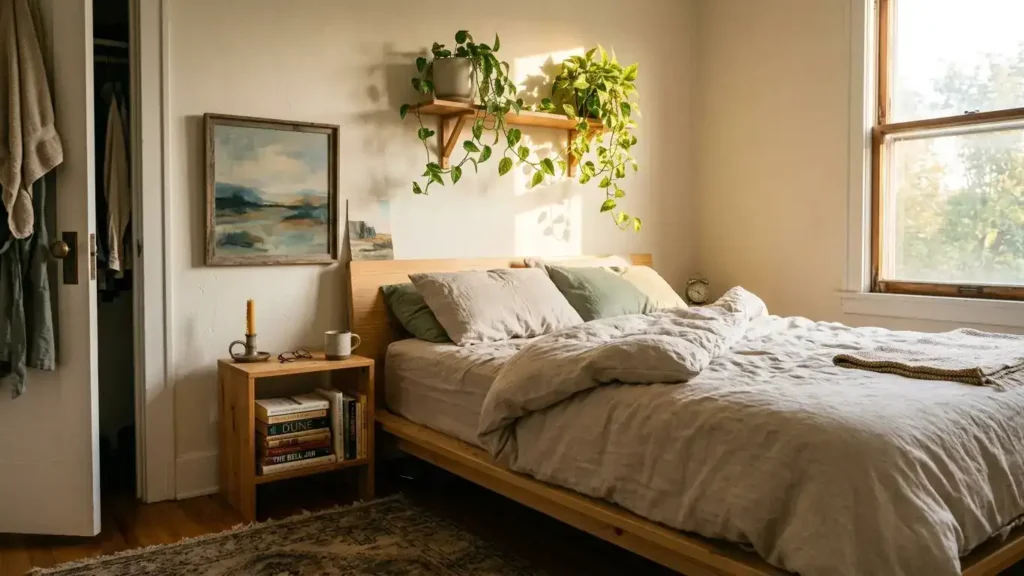
Your bedroom has the opposite opportunity. It can feel like it belongs to you. Not in the sense of having your name on the door, but in the sense that every object in it carries some kind of meaning or history or personal logic. That quality is not something you can buy in a single trip to a furniture store. But it is something you can build deliberately, and it is worth building.
This is not an argument against the hotel aesthetic. If you want your bedroom to feel like a luxury hotel, there is a way to do that, and we cover it in the companion piece on how to style a platform bed to look like a luxury hotel bedroom. The two approaches are not in competition. They are just different answers to different questions about what you want your bedroom to be.
This article is for the reader who knows the hotel room looks beautiful in the photo and feels slightly wrong to live in. The one who wants the bedroom to feel like somewhere that is genuinely theirs.
The difference between empty and considered
There is a version of minimalism that comes from having made decisions. Every object in the room is there because it earned its place. The result is a room that feels calm and intentional, and also, crucially, personal.
Then there is a version of minimalism that comes from not having thought about it. White walls because white was the default. A bed frame because a bed needs a frame. A lamp because the room needed light. The result looks similar in a photograph but feels completely different in person. It feels like a room that has not been lived in yet.
The goal here is the first kind. Not fewer things for the sake of fewer things, but things that mean something, arranged with some thought for how they sit together.
Let your objects do the talking
Walk around your home right now and find three objects that mean something to you. Not expensive objects. Not decorative objects. Objects with some kind of story or history. A first edition of a book you love. A piece of pottery from a trip. A photograph printed rather than left on your phone. A small painting you bought because it made you feel something.
Put them in your bedroom. Not arranged like a display, but placed the way you would actually put them down. A book on the nightstand. The pottery on the windowsill. The photograph leaning against the wall rather than hung formally.
This sounds simple because it is. But it works because those objects make the room specific. Someone could walk in and learn something about you from the room without you saying a word. A hotel room cannot do that. Your bedroom can.
Plants belong in a home, not a hotel
Hotels have plants occasionally. Lobbies more than rooms. When they appear in rooms, they are usually artificial, perfectly shaped, and obviously not alive.
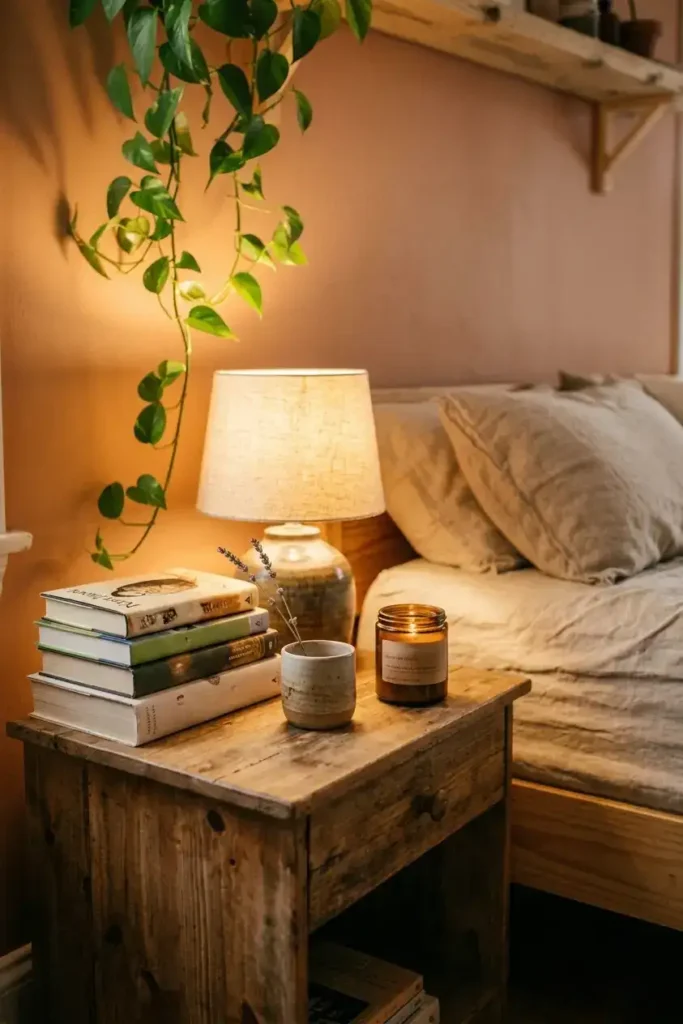
A real plant in a bedroom does something a fake one cannot. It changes over time. It grows toward the light. It occasionally needs attention. That relationship, small as it is, makes a room feel inhabited in a way that a static object does not.
Pothos is the most forgiving place to start. It tolerates low light, irregular watering, and complete beginner neglect. Left to trail from a shelf or a high surface, it moves through the room in a way that brings the space to life. A four-pack of assorted pothos varieties gives you enough to work with without committing to more plants than you have the space or attention for.

The mirror is doing more than you think
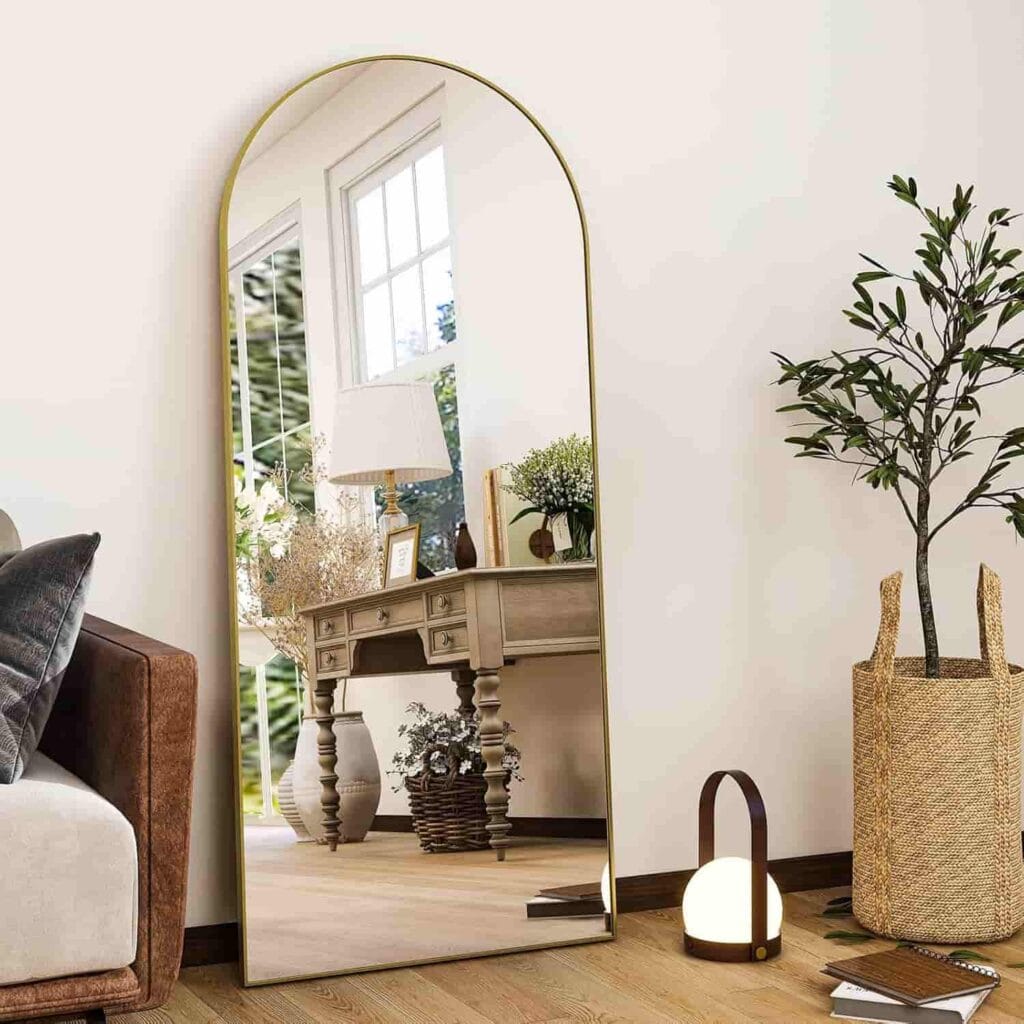
A full-length mirror in a bedroom is usually thought of as practical. You check how you look before you leave. But a well-chosen mirror does something else in a room. It doubles the light. It adds depth. It makes a small room feel like it has more space than it does.
The difference between a mirror that sits in a room and one that belongs there is usually the frame. A gold arched floor mirror in an aluminium alloy frame has the proportions and warmth that a cheap frameless mirror does not. It looks like something chosen rather than installed. Lean it against the wall rather than mounting it and it reads as personal rather than fitted.
Scent is memory
There is a reason you can walk into your grandmother’s house and know immediately where you are. Scent is the sense most directly connected to memory and emotion. A bedroom that smells like something specific feels like somewhere particular in a way that a scentless room never does.
The right candle or diffuser does not need to be the most expensive thing in the room. It needs to be consistent, appropriate to the space, and yours. Not the scent that photographs well or the one that sounds appealing on the label. The one that makes you feel something when you smell it.
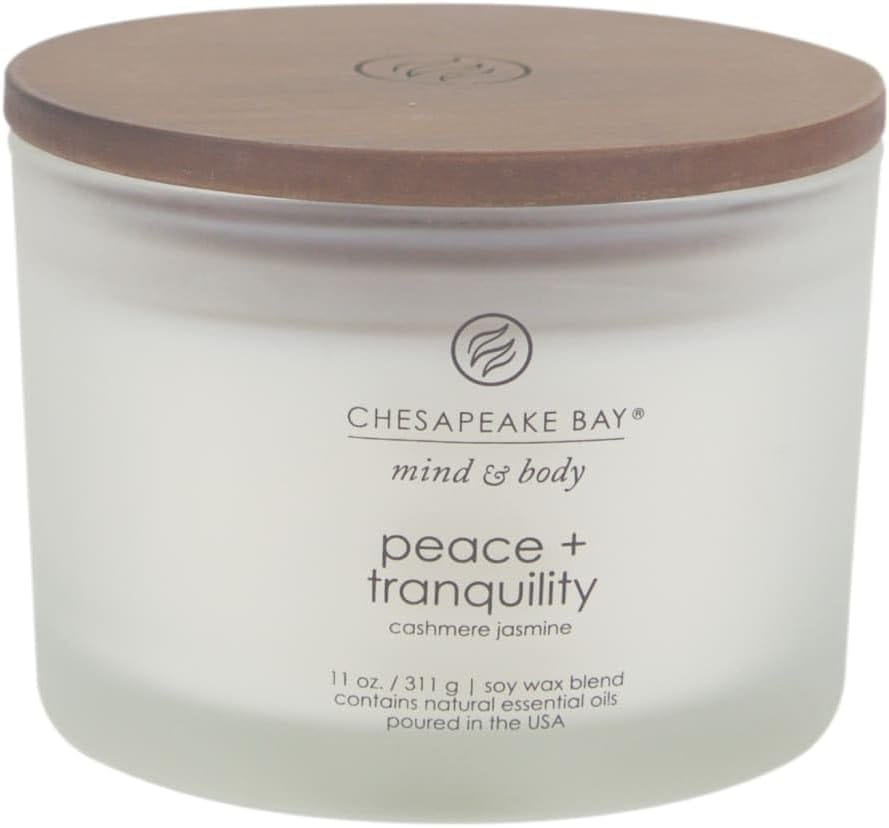
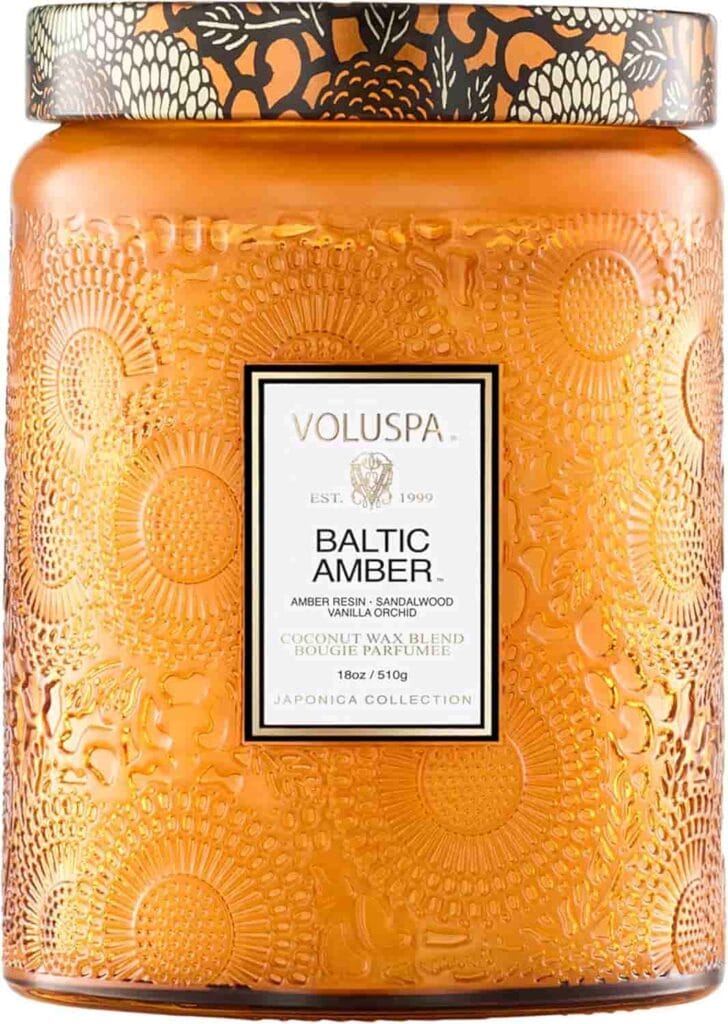
Capri Blue Volcano has a following because the scent is genuinely distinctive and warm. The white glass jar sits quietly on a nightstand without demanding attention. Chesapeake Bay Peace and Tranquility in cashmere jasmine is softer and more understated, the kind of scent that fills the room gently rather than announcing itself. Bath and Body Works Mahogany Teakwood is richer and woodier, the right direction for a room with darker furniture or warmer tones. Voluspa Baltic Amber at 100 hours of burn time is the one to reach for when you want something that lasts and does not need replacing every few weeks.


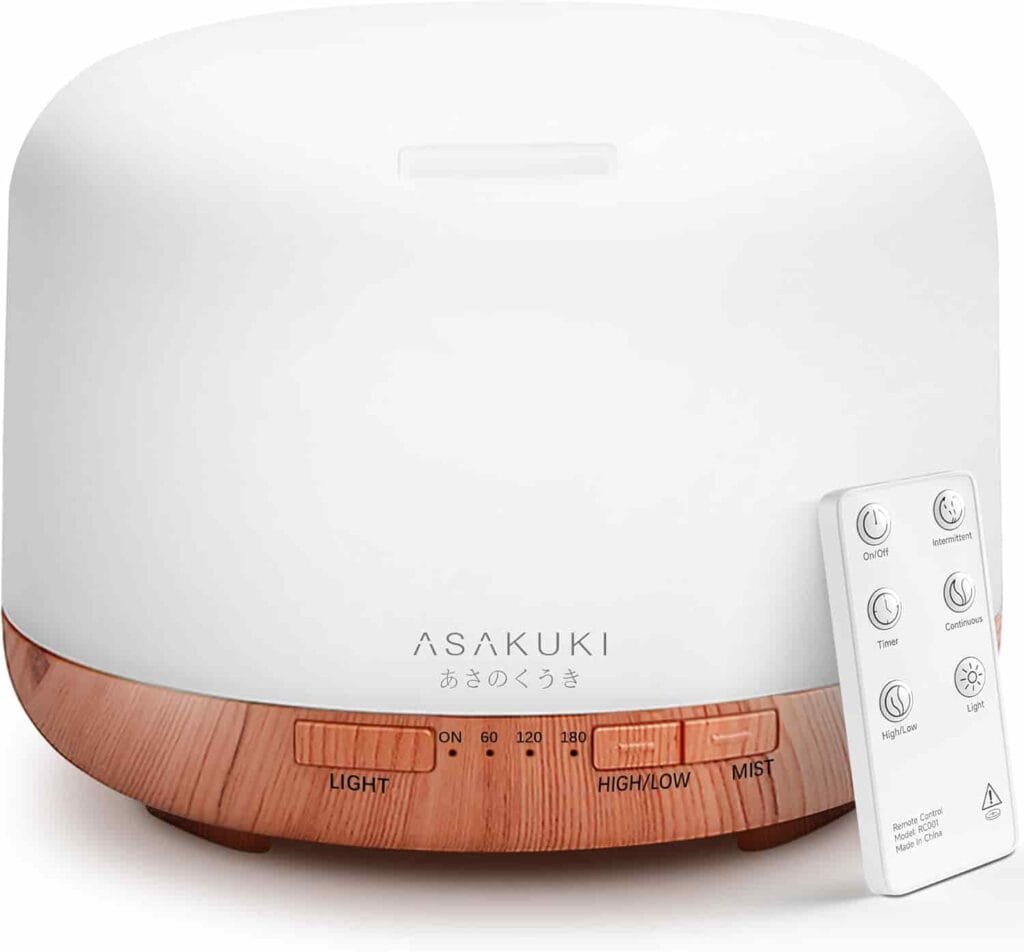
If you prefer fragrance without an open flame, a diffuser with an essential oil you choose yourself does the same work in a different form. The ASAKUKI 500ml with its wood base and remote control is quiet, effective, and looks like it belongs in a room rather than in a pharmacy.
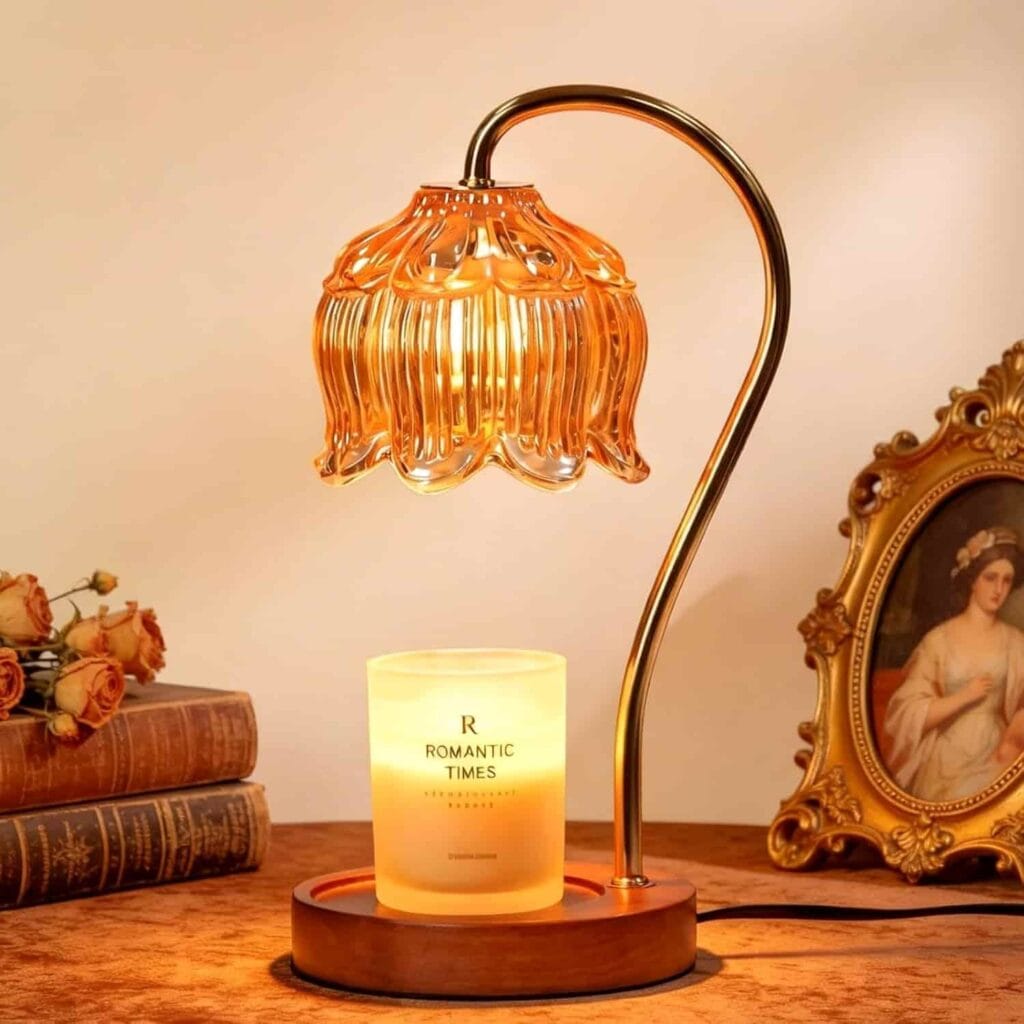
And if you want to bring both warmth and fragrance together in one object, a candle warmer lamp is worth knowing about. The Funistree Flower Candle Warmer melts the candle from above using a bulb rather than a flame, which means the scent lasts longer and the lamp itself adds warm ambient light to the room. It is the kind of object that gets a comment from every visitor, and it is genuinely useful rather than purely decorative.
Texture is what makes a room feel warm
Hotels tend toward smooth surfaces. Pressed linen, tight weaves, polished wood. These look clean and function well at scale. They are also slightly cold to the touch in a way that is hard to articulate but immediately felt.
A home bedroom can afford more texture. A linen throw that is slightly rumpled rather than perfectly folded. A wool blanket kept on the chair in the corner. A rug underfoot that gives slightly when you step on it in the morning. A pillow in a fabric that is obviously different from the sheets behind it.
These layers of texture are what make a room feel warm rather than correct. They are also what make it feel lived in, which is the point. A room that looks like no one has slept in it is a hotel room. A room that looks like someone has is a home.
The platform bed as a foundation, not a statement
In a hotel room, the bed is the star. Everything is arranged around it and in service of it. In a home bedroom, the bed is the foundation. It holds everything else up without demanding the room organise itself entirely around it.
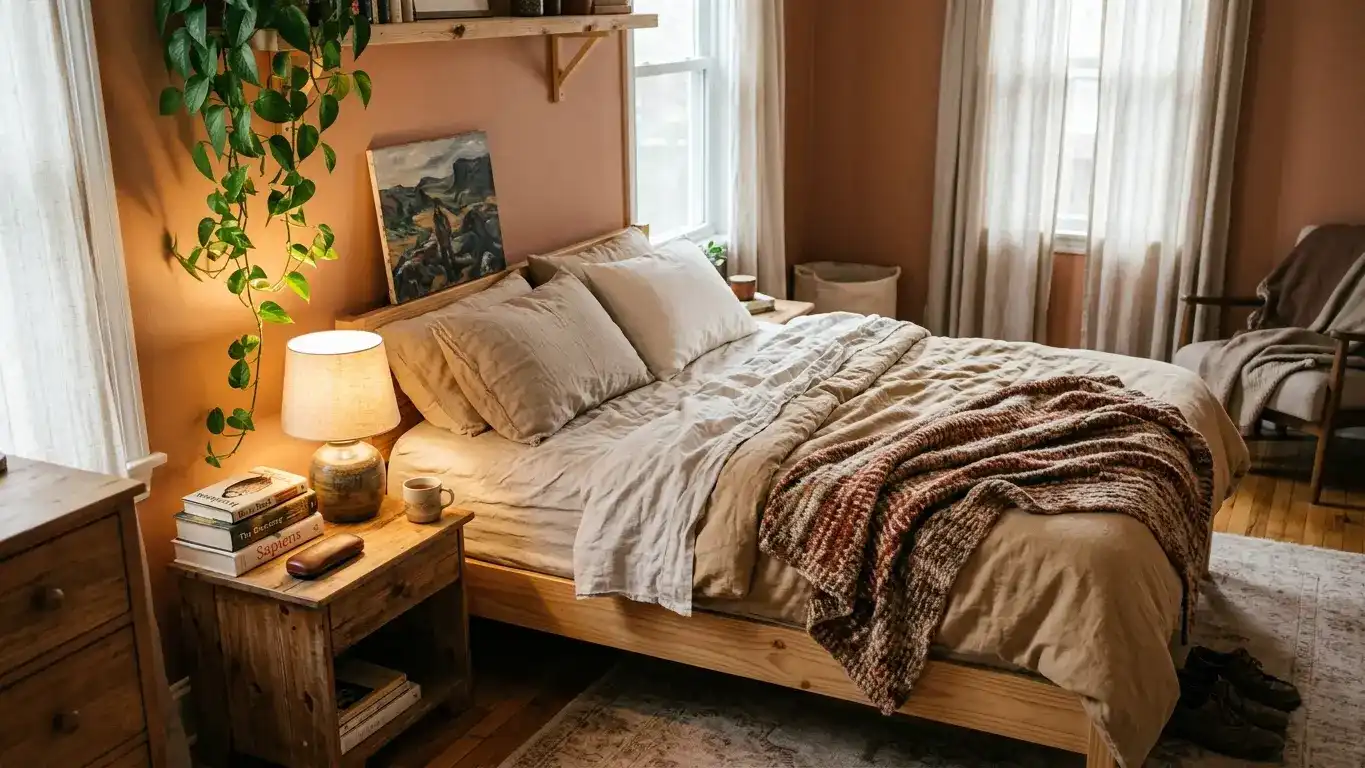
A wood platform bed frame in a natural finish does this particularly well. It reads as furniture rather than a product. It has warmth and grain and weight that a metal frame or an upholstered frame in a neutral colour does not always have. Dressed with layered, imperfect bedding and surrounded by objects that mean something, a natural wood platform bed sits in a room the way good furniture is supposed to sit. It earns its place without making a noise about it.
If you are choosing between frame options and the room you want to create is more personal than minimal, the guide to metal versus wood platform bed frames covers that choice honestly across materials and price points.
Make the bed, but not perfectly
A hotel bed is made to a standard. Corners tight, pillows centred, not a crease out of place. It looks impressive and it signals that the room is ready for the next guest.
A home bed can be made more loosely. The duvet pulled up but not tucked. The throw draped rather than folded. The pillows leaning rather than standing at attention. This is not an argument for messiness. It is an argument for a bed that looks like someone sleeps in it and will sleep in it again tonight, because that is what it is.
There is a comfort in a room that has been lived in. Not neglected, not cluttered, but genuinely occupied by someone whose specific life has left a trace of itself in the space. That is what makes a bedroom feel like home. Not the right furniture, not the right colour on the walls, not even the right scent, though all of those things help. The thing that makes a bedroom yours is the evidence that you are in it.
When you are ready to look at specific platform bed frames that suit a warmer, more personal room direction, the guide to the best platform beds for small bedrooms covers the full range with honest notes on materials and what each type of frame brings to the room.