
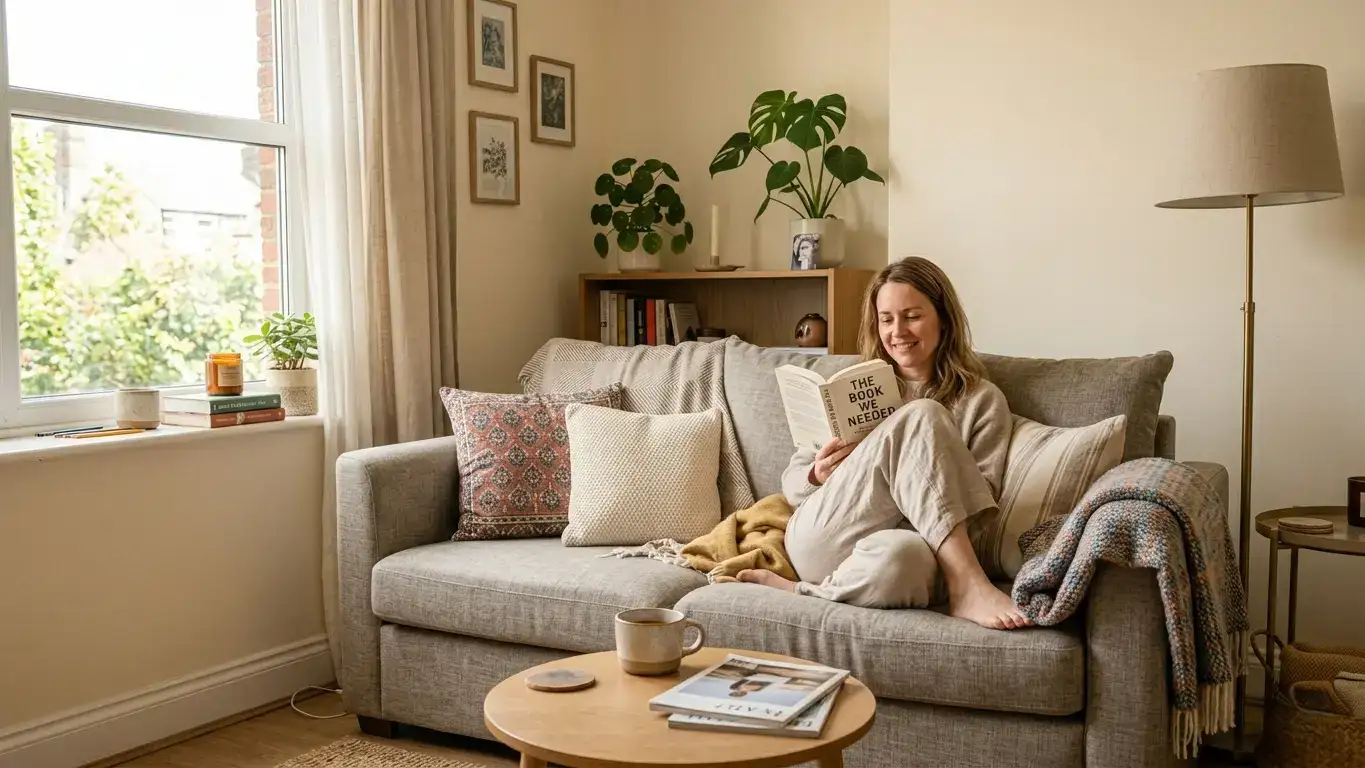
A sofa bed sounds like the obvious solution when you’re short on space. One piece of furniture that handles both seating and sleeping. Simple.
But once you actually live with one, you start noticing things that don’t show up in product descriptions. The weight. The mechanism. The mattress. The fact that guests are sleeping on something that spent the day as your sofa.
This article goes through the real advantages and the real disadvantages, honestly. No showroom language.
If you’re still figuring out the basics of what a sofa bed actually is and how the different types work, our guide on what a sofa bed is covers all of that first.
The pros of a sofa bed
It genuinely saves space
This is the real reason people buy sofa beds, and it’s a legitimate one. In a studio apartment or a small flat without a spare room, a sofa bed means you don’t have to choose between seating and a guest bed. You get both in the same footprint.
For anyone furnishing a room that needs to do more than one thing, that flexibility has genuine practical value. A dedicated guest bed sitting unused for eleven months of the year is a worse use of space than a sofa bed that earns its place every day.
It’s better than an air mattress
If the alternative for overnight guests is an inflatable mattress on the floor, a sofa bed is a meaningful step up. A decent pull-out sleeper sofa with a proper mattress gives guests somewhere to sleep that feels considered rather than improvised. Most guests will appreciate that, even if the mattress isn’t perfect.
Modern designs actually look good
Sofa beds used to be easy to spot. The proportions were off, the frames looked heavy, and the whole thing read as temporary furniture.
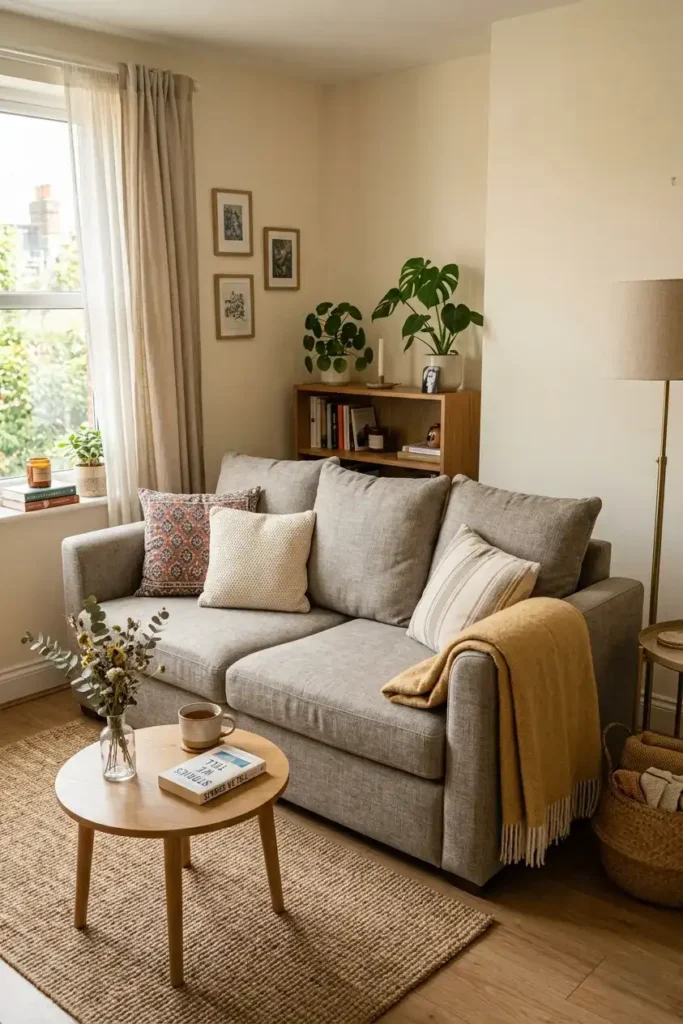
That has changed. There are sofa beds now that are genuinely hard to distinguish from standard sofas when they’re closed. Fabric choices, leg styles, and frame proportions have all improved significantly. If you’re shopping carefully, you don’t have to sacrifice how the room looks.
Some models include useful storage
Corner sofa beds and certain sectional designs include storage space under the chaise section or within the frame. In a small apartment where storage is always a problem, this adds real value on top of the seating and sleeping functions. It’s not a given across all models, but it’s worth looking for when you’re comparing options.
It handles occasional use well
For a guest who stays a few nights a year, a family member visiting at Christmas, a friend who misses the last train home, a sofa bed handles these situations without any fuss. The bed is there when you need it and completely out of sight when you don’t. That convenience is genuinely useful for anyone who hosts occasionally rather than regularly.
The cons of a sofa bed
The mattress is always a compromise
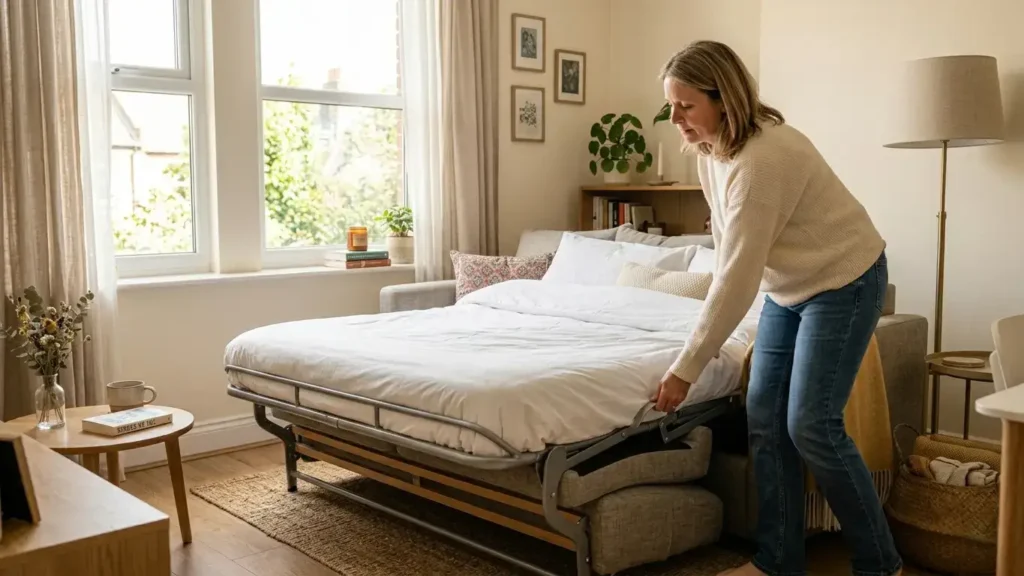
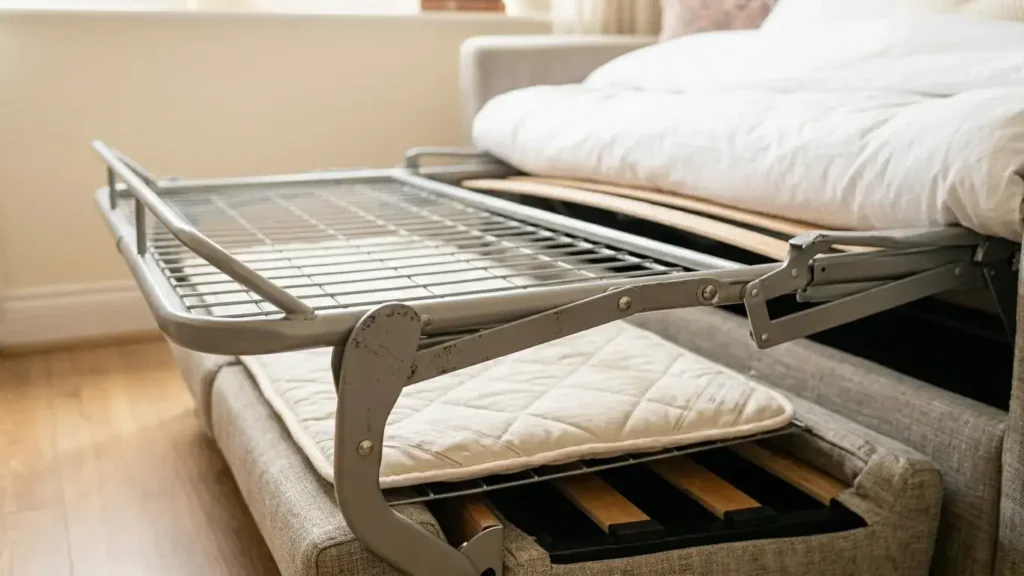
This is the one that catches people out most often. A sofa bed mattress, even a good one, is not the same as sleeping on a proper bed. Pull-out models have a thinner mattress than most standard beds because it needs to fold into the frame. Fold-flat designs use the seat cushion as the sleeping surface, which is a different problem entirely.
For occasional guests staying a night or two, this is usually fine. For anyone sleeping on it every night, the mattress limitation becomes noticeable over time. If regular nightly use is what you actually need, the choice of model matters a lot. Our full guide on whether sofa beds are comfortable for everyday sleeping goes through this honestly.
Pull-out models are heavy
The internal frame and mattress add significant weight compared to a standard sofa. Moving a pull-out sleeper sofa is a two-person job at minimum, and on stairs it becomes genuinely difficult. If you move homes regularly, this is worth factoring in before you buy. The weight is not something you notice on delivery day. It’s something you notice six months later when you want to rearrange the room.
The mechanism wears over time
More moving parts means more things that can loosen, stiffen, or develop a squeak. A well-built sofa bed from a reputable brand will hold up for years. A cheaper model with a flimsy folding mechanism will start showing wear within a year or two of regular use. The mechanism is one of the things hardest to assess from a product photo, which is why reading reviews specifically about long-term use matters more with sofa beds than with most furniture.
It needs floor clearance when open
A pull-out sofa bed extends forward when the mattress unfolds. Depending on the model, the open bed can take up 85 to 100 inches of depth from the wall. In a small room, that often means the coffee table needs to move before anyone can sleep. It’s a minor inconvenience for occasional use, but it’s worth thinking through the layout before you buy rather than after.
It costs more than a standard sofa
You’re paying for the frame, the mechanism, and the mattress inside a sofa. That’s why even a basic pull-out sleeper sofa costs more than a comparable standard sofa. And at the lower end of the price range, manufacturers cut corners on the mattress first. A cheap sofa bed often ends up being a poor sofa bed and a poor night’s sleep at the same time. If budget is tight, a futon-style sofa bed is a more honest compromise than a cheap pull-out with a thin mattress.
For a full comparison of the futon against a standard sofa bed, our guide on sofa bed vs futon for small spaces covers the trade-offs clearly.
Pros and cons at a glance
| Pros | Cons |
| Saves space — seating and sleeping in one footprint | Mattress is always thinner than a dedicated bed |
| Better than an air mattress for guests | Pull-out models are heavy and hard to move |
| Modern designs look like proper living room furniture | Mechanism wears over time, especially on cheaper models |
| Some models include built-in storage | Pull-out types need clear floor space when open |
| Handles occasional guest use without any fuss | Costs more than a standard sofa at the same quality level |
Who a sofa bed actually makes sense for
A sofa bed is a good choice if you host overnight guests occasionally and don’t have a dedicated guest room, if you live in a studio or small apartment where the furniture needs to earn its space, or if you’re furnishing a home office or multipurpose room that doubles as a guest space now and then.
It’s a less good choice if the sleeping surface will be used every single night by an adult who cares about sleep quality, if you move homes frequently, or if budget is tight enough that you’d be looking at the lower end of the market. A cheap sofa bed is often worse than no sofa bed.
A note on alternatives
It’s worth being honest about the fact that a sofa bed is not the only answer to the space problem it solves. A daybed with a trundle gives you a proper sleeping surface in a similar footprint, without the mechanical compromise of a pull-out. A futon is simpler, lighter, and more affordable. And a corner sofa bed occupies a room differently from a standard pull-out, which can make it a better fit for certain layouts.
If you’ve decided a sofa bed is the right direction and you’re ready to look at specific options, our guide to the best sofa beds for small apartments covers the top picks across different budgets with honest notes on comfort and build quality.
Sofa beds sit in a category of furniture that has to do two things well at once, which is always harder than doing one thing well. The Sleep Foundation’s overview of what makes a mattress comfortable for sleeping is a useful reference if you want to understand what to look for in the mattress side of the equation before you commit to a specific model.